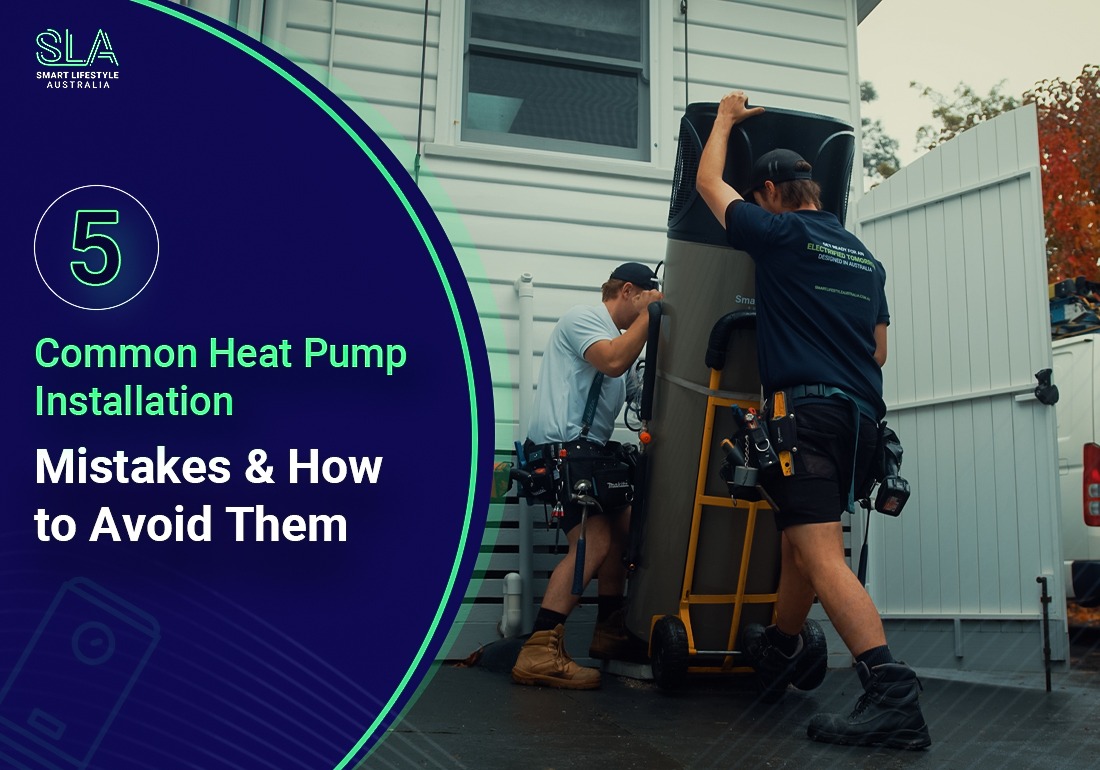
Why do we need a heat pump, though? Heat pump hot water systems provide an energy-efficient way to heat water for everyday household needs, especially for showering, washing clothes or dishes and space heating.
A correctly installed heat pump keeps your home comfortable, reduces energy bills, and supports clean energy use.
Choosing the right heat pump installation is important for long-term efficiency.
A poor installation can cause frequent breakdowns, higher running costs and wasted money. In Australia, choosing the right product and installing it correctly matters more than ever.
This blog post covers 5 common heat pump installation mistakes & how to avoid them.
Mistake 1: Wrong Sizing
Choosing the wrong size heat pump is one of the most common mistakes, and it can affect comfort, efficiency and the lifespan of the system.
Here is what happens and how to avoid it.
What Happens When a Heat Pump Is the Wrong Size
- Too small: it struggles to heat your home or washroom, runs constantly and uses more energy.
- Too large: it cycles on and off too often. That reduces efficiency and shortens the system’s life.
How to Avoid Wrong Sizing
- Get a professional load calculation. An installer should use your house size, insulation, window types, ceiling height and local climate to calculate the correct capacity.
- Check product specifications. Compare the calculated capacity with the models on offer.
- Consider zoning. If your home has distinct living areas, using multiple smaller units can be better than one large one.
Why It Matters for Australians
Australian homes vary widely in design and climate. A unit sized for a cool coastal town may not suit an inland property.
Leverage local expertise and modern models from trusted suppliers such as Smart Lifestyle Australia (SLA) to meet your needs.
Mistake 2: Poor Location/Ventilation
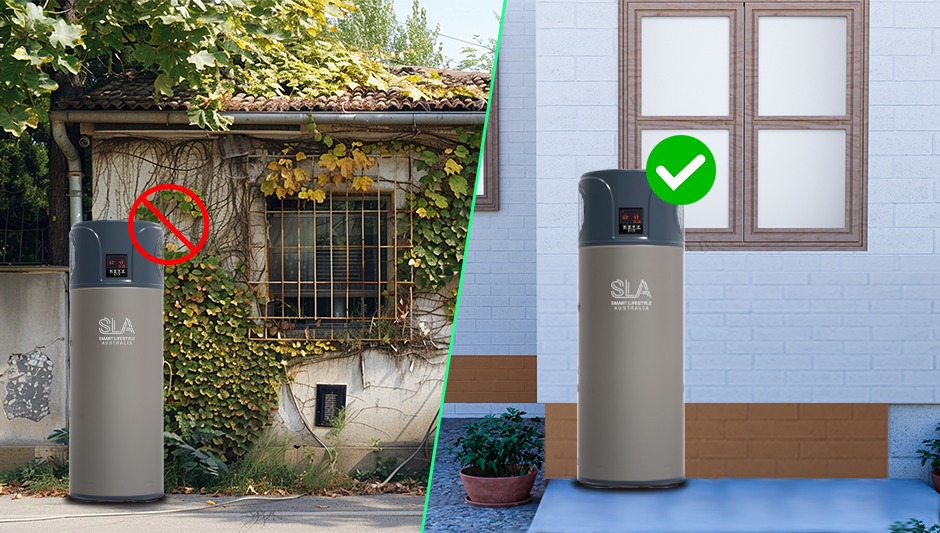
Placing a heat pump in the wrong spot can limit airflow, increase noise and reduce overall efficiency, so proper location and ventilation are essential for good performance.
Common Location Mistakes
- Placing the outdoor unit in a cramped or poorly ventilated spot.
- Installing the indoor unit where airflow is blocked by furniture or curtains.
- Placing the outdoor unit near bedrooms or neighbours can cause noise issues.
How to Avoid Poor Location and Ventilation
- Give the outdoor unit enough clearance. Follow the manufacturer’s guidelines for clearance around the unit to ensure air can flow freely.
- Choose a level, stable base for the outdoor unit to reduce vibration and noise.
- Place indoor units on a clear wall with good airflow. Avoid placing the unit in corners, in direct sunlight, or in areas with heavy dust.
- Think about noise and neighbours. Position the outdoor unit away from bedroom windows and shared walls.
Why It Matters for Australians
Good airflow improves efficiency and prevents the system from overworking in hot Australian summers.
SLA’s heat pumps have models suitable for a range of installation spaces, but correct placement is key.
Mistake 3: DIY Installation Issues
Trying to install a heat pump yourself can lead to safety risks, system faults and warranty problems.
This is why DIY installation is one of the biggest mistakes homeowners make.
Why DIY Can Go Wrong
- Incorrect wiring, refrigerant leaks or poor drainage can all result from amateur installation.
- Missing calibration of controls and sensors leads to poor performance.
- Warranties can be voided if not installed by an accredited installer.
How to Avoid DIY Installation Problems
- Use accredited and experienced installers. They follow regulations and handle refrigerant safely.
- Ask for proof of training or certification. Check for local licenses or industry accreditation.
- Get a full handover. The installer should test the system, show you how to use it and leave documentation.
Why Professionals Matter for Australians
Australian regulations and warranty conditions often require accredited installers. A professional job protects your investment and ensures safe operation in Australian conditions.
Mistake 4: Ignoring Rebates & Permits

Many homeowners overlook rebates and permit requirements, which can lead to missed savings and unexpected delays during installation.
Always check which heat pump rebate applies in your state.
What is Often Missed
- Failing to check for government rebates or energy efficiency incentives.
- Not obtaining the necessary local council permits before installation.
How to Avoid Missing Rebates and Permits
- Research available rebates. Both federal and state programs can reduce the upfront cost of electrification and efficient heat pumps.
- Ask your installer about common local incentives. Experienced installers often know which rebates apply.
- Check council rules and permit needs. Some areas require permits for outdoor unit placement or electrical upgrades.
Why It Matters for Australians
Australia has several state-level and local incentives for efficient heating and electrification.
Claiming a hot water heat pump rebate can reduce costs and make a better model more affordable. Proper permits avoid fines and delays.
Mistake 5: Inefficient Usage Patterns
Using a heat pump incorrectly can waste energy, increase operating costs, and reduce overall comfort, making efficient habits essential.
Typical Poor Use Habits
- Setting extreme temperatures and leaving the system to work too hard.
- Leaving windows and doors open while the heat pump runs.
- Not using timers, schedules or smart controls.
How to Avoid Inefficient Usage
- Set sensible temperature ranges. Small adjustments save energy and keep your home comfortable.
- Use timers and schedules. Pre-warm or pre-cool your home at lower cost times.
- Seal gaps and insulate. A well-sealed home reduces the load on your heat pump.
- Learn basic settings. Use eco mode or quiet mode when full power is not needed.
Why It Matters for Australians
In Australia, peak electricity prices and hot summers mean efficient use saves real money.
Modern SLA heat pumps support easy controls and timers to help you get the best performance.
Tips for a Smooth Installation
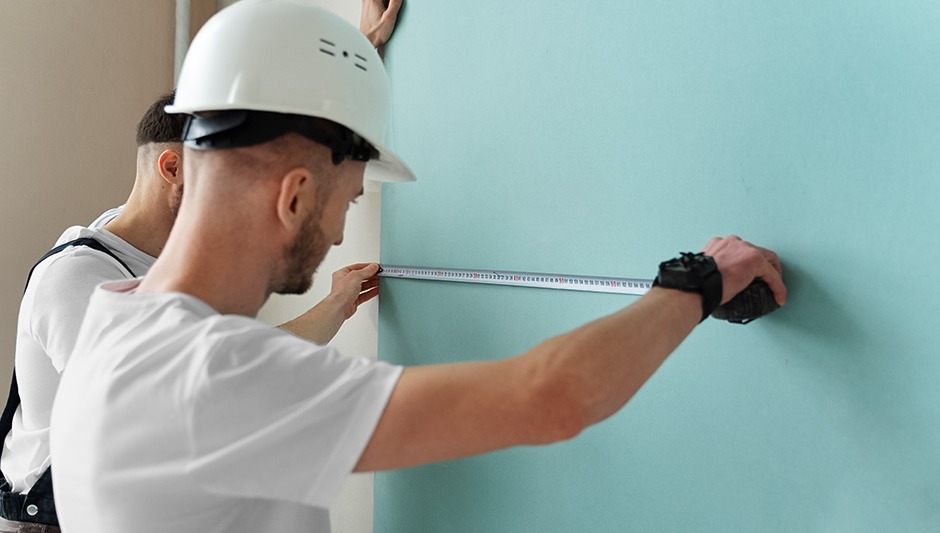
A smooth installation comes down to good planning, the right product and reliable installers, so taking a few simple steps upfront can make the whole process easier.
- Choose the right product: Review SLA’s best heat pump hot water models to find one that matches your home size and climate.
- Get multiple quotes: Compare price, warranty terms and installer feedback.
- Check references: Ask for recent local installs and photos of completed work.
- Plan for future needs: If you plan to add solar, batteries or electrify other appliances, choose compatible systems.
- Keep records: Keep invoices, warranties and manuals in one place for service and rebate claims.
- Schedule maintenance: Annual servicing keeps your heat pump hot water system efficient and extends its life.
- You can always choose compatible systems for the best solar panels if you plan future solar upgrades.
For simple, reliable options, explore our SLA heat pumps and have an experienced installer guide your next steps.
Setting Your Heat Pump Up for Efficiency and Longevity
Avoiding common heat pump installation mistakes starts with good planning.
Click here to learn the total Heat Pump Installation Process: A Step-by-Step Guide.
Correct sizing, smart location, professional installation, checking rebates and using your heat pump wisely will save money and keep your home comfortable.
Visit our SLA for updates on the latest heat pumps and purchase one if you want the best heat pump hot water.
FAQs
Q: How do I know if my heat pump is the right size?
A: Ask an accredited installer for a load calculation. That will use your home details to recommend the right capacity.
Q: Can I install a heat pump myself?
A: It is not recommended. Accredited installers ensure safe refrigerant handling, correct wiring and valid warranties.
Q: Will rebates apply to my home?
A: Rebates depend on your state, local council and the product. Check federal and state programs and ask your installer.
Q: How often should I service my heat pump?
A: Talk to your installer about the services. But yeah, regular checks keep the system efficient and catch minor issues early.
Q: Does SLA provide a warranty on a heat pump hot water system?
Yes. SLA heat pumps come with a 7-year product warranty, giving you long-term peace of mind and reliable performance.