
Switching to electric heating and adding flexible solar panels can cut bills and shrink your carbon footprint. In Australia, many households are making the change and seeing big savings.
This post shares how families saved thousands with SLA heat pumps and solar. How Australian homes reduced their energy bills using the SLA home electrification method.
It also explains what they did, what they saved, and how you can start your electrification journey.
In this blog post:
- Future-Proof Your Home with Heat Pumps and Solar
- Lower Bills, Better Comfort: Real-World Results
- Everyday Tips to Boost Savings
- How to Choose the Right System for Australian Homes
- Financing and Incentives
- Key Takeaways & Lessons Learned
- How to Start Your Electrification Journey
- Simple Checklist Before You Commit
- Ready to Make the Switch?
- FAQs
Future-Proof Your Home with Heat Pumps and Solar
Lower running costs: Heat pumps use electricity very efficiently. When paired with solar, they use clean, low-cost power most of the day.
Year-round comfort: Heat pumps heat in winter and cool in summer. No more cold rooms or noisy old heaters.
Better for the planet: Using less fossil fuel cuts greenhouse gas emissions.
Adds value to your home: Modern heating and solar appeal to buyers.
Lower Bills, Better Comfort: Real-World Results

Real stories show how things work in the real world. Case studies help you see costs, setup, savings, and the small surprises people find along the way.
Savings & Experience
Meet the Jones family. They live in a three-bedroom home in Melbourne.
Before the change, they used gas ducted heating and an electric hot water heat pump system. Their winter bills were high, and the gas unit needed regular service.
What they chose:
✔ SLA split system aircon for space heating and cooling.
✔ SLA heat pump hot water system.
✔ Residential solar system from Cyanergy.
Installation and early days:
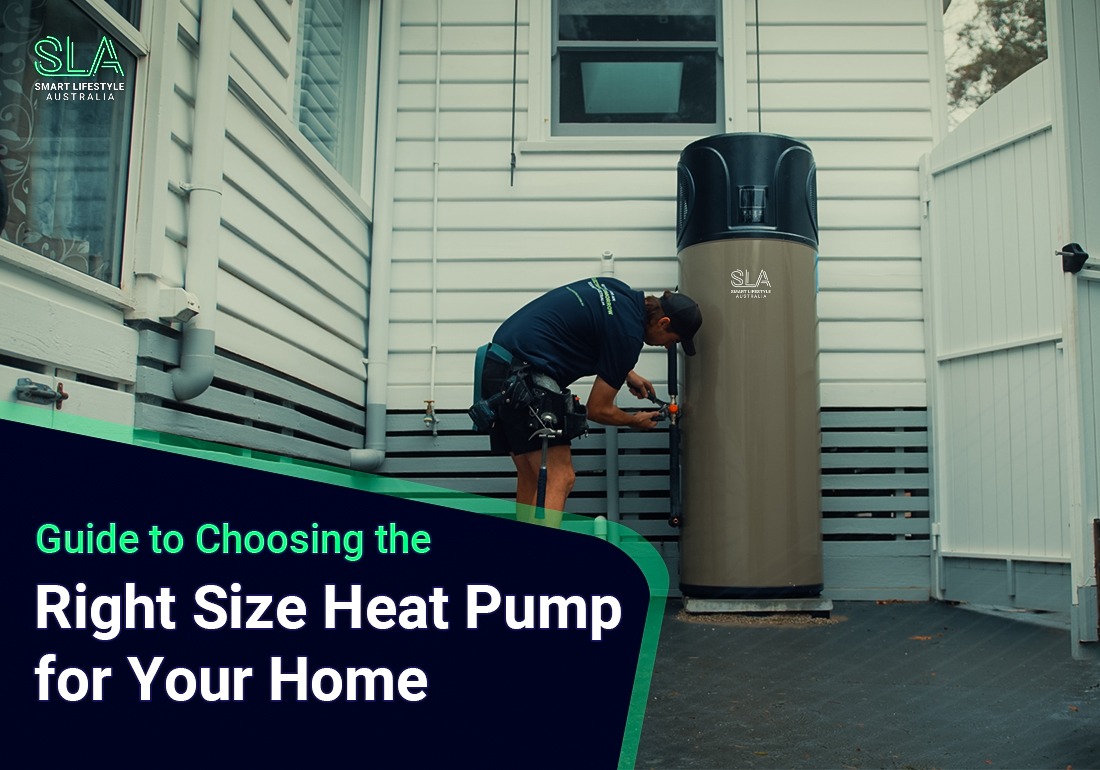
The family worked with an installer recommended by SLA. The heat pump replaced the ducted gas unit, and the hot water system was swapped with the heat pump hot water cylinder. The solar was fitted on the roof at the same time.
Running costs and savings:
✔ First winter after the switch: their electricity bill rose slightly, but their gas bill dropped to zero. Overall household energy costs fell by around 75% in the first year.
✔ Hot water costs dropped compared with the old electric system.
✔ Over the first two years, the family estimated savings of several thousand dollars after accounting for the system payback and solar feed-in.
Experience and comfort:
The house was warmer and more even. The heat pump was quieter than the old gas unit. The family liked the instant hot water and the clear SLA home app to check usage.
They noted one tip: choose the right size heat pump for your home so it cycles less and runs more efficiently.
Installation & Benefits
Meet the Singh household in Brisbane. They own a four-bedroom home and wanted to ditch gas for good. They were especially keen to cut bills and reduce emissions.
What they chose:
✔ SLA heat pump hot water system sized for a family of four.
✔ 10 kW roof solar to cover daytime use and charge an electric car later.
Installation and setup:
The family used an accredited installer. The installer positioned the outdoor unit where noise would not bother neighbours and added insulation to some sections of the home to boost efficiency.
Solar panels were angled to capture the strong winter sun.
Benefits and numbers:
✔ Their first full year after installation showed around a 70-75% cut in total energy costs.
✔ They used more of their own solar during the day, which meant less grid electricity.
✔ The family planned to add battery storage later to further reduce import costs and to charge their future electric car with home solar.
Non-energy wins:
✔ Improved air quality inside the home because they no longer burn gas.
✔ Lower maintenance: heat pumps need less frequent service than older combustion systems.
✔ A feeling of future-proofing. They felt ready to add batteries and an EV later.
Everyday Tips to Boost Savings
Small changes at home can make the hot water heat pump and solar work even better. Seal drafty doors and windows to keep warm or cool air inside.
Use ceiling fans in summer to circulate air before turning on the cooling.
Set your hot water timer to run when solar output is highest. Lower thermostat set points by 1-2 degrees in winter and raise them by 1-2 degrees in summer to save energy without losing comfort. These tiny steps add up over a year.
SLA Energy Efficient Heat Pumps for Homes
SLA offers you a range of energy efficient heat pumps and systems that suit small homes up to large houses.
Our electric hot water heat pump offers size options and specifications so you can choose the right unit for your needs.
Many customers choose a matching heat pump hot water system and rooftop solar to get the best savings and comfort.
How to Choose the Right System for Australian Homes
Start with the size of your home and the number of people living there. A bigger house or a family with high hot water use may need a larger heat pump and a bigger hot water cylinder.
You can always ask installers about efficiency ratings and seasonal performance. Choosing a unit with a solid warranty provides added peace of mind.
Financing and Incentives
Many Australians can access incentives, heat pump and solar rebates, or low-interest loans to help cover upfront costs. Check local and state government programs for updates.
Lower initial cost plus long-term energy savings often make the full project more affordable.
Real Savings Over Time
Think beyond the first year. Heat pumps last many years, and solar panels often come with a long term performance guarantees.
Over a 10-year horizon, the combined savings on energy bills, lower maintenance, and potential increases in property value often exceed the initial investment.
That long-term view helps many families decide to switch.
Key Takeaways & Lessons Learned
- Pair heat pumps with solar for the biggest savings. Solar cuts the cost of running electric heating and hot water.
- Size your system to your home. Oversizing or undersizing reduces efficiency and comfort.
- Use a licensed installer and follow the manufacturer’s guidance on warranty and performance.
- Small home upgrades help. Adding insulation, sealing gaps, and shading windows improves the performance of heat pumps and solar panels.
- Think long term. Upfront costs can be offset by lower running costs and higher home value.
How to Start Your Electrification Journey

1) Check your current bills. Know what you spend on gas and electricity now.
2) Get a home energy assessment. An assessor can suggest heat pump sizes, solar capacity, and low-cost insulation fixes.
3) You can try to explore our SLA products online.
4) Plan for future needs. If you plan to purchase an EV charger or add batteries, design your solar system accordingly.
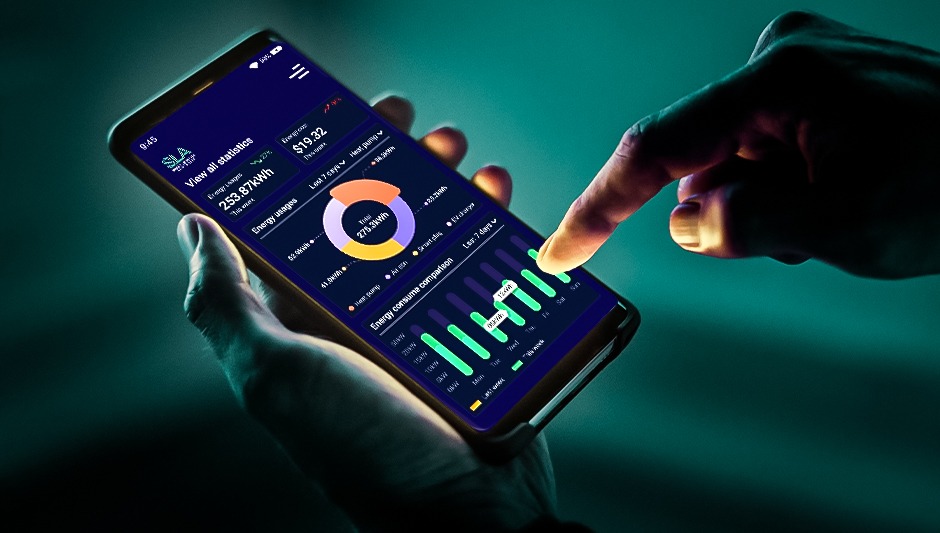
5) Install and monitor. Monitor your usage and track it using the EMS app. Small behaviour changes can boost savings.
Simple Checklist Before You Commit
✔ Review your energy bills from the past 12 months.
✔ Measure the space you want to heat or cool.
✔ Note any hot water usage peaks (showers, baths).
✔ Ask installers about warranties, service, and noise levels.
✔ Consider roof space and solar orientation if you want panels.
Ready to Make the Switch?
Heat pump hot water systems, combined with solar, have helped many Australian households save money and live more comfortably. The stories above show how different homes benefit.
Visit SLA if you are considering a switch. Start with an energy review and speak with an accredited installer. Small changes now can lead to big savings and a cleaner future.
FAQs
Will a heat pump work in cold weather?
Yes. Modern heat pumps work well in most Australian climates, including cooler southern states. Choose a unit rated for your region.
Is installation disruptive?
Installers usually complete work in one to three days. Planning ahead limits disruption.
What about noise?
Quality heat pumps are quiet. Positioning the outdoor unit correctly reduces noise for neighbours.
Q. How long before I save money?
Many households see savings in the first year. Payback time depends on system size, energy prices, and solar generation capacity.